You're sleeping enough, exercising regularly, eating what you think is a balanced diet — and yet by 2 PM every day, you're dragging. The coffee barely makes a dent. Your brain feels foggy. Your body feels heavy. If this sounds familiar, the answer might not be on your plate or in your training program. It might be in your gut.
The gut microbiome — the trillions of bacteria living in your digestive tract — is one of the most fascinating and impactful areas of health science. Research over the past decade has revealed that these tiny organisms influence far more than digestion. They affect your immune system, your mental health, your hormones, your weight, and yes — your energy levels.
As a health coach, I've seen clients who transformed their energy and their results simply by paying attention to their gut health. It's often the missing piece that nobody talks about.
Your Gut Is an Energy Factory
To understand the gut-energy connection, you need to know what your microbiome actually does. The bacteria in your gut play a critical role in:
- Nutrient absorption. You can eat the most nutritious food in the world, but if your gut isn't absorbing those nutrients efficiently, your cells aren't getting the fuel they need. Poor gut health means poor nutrient delivery — and that means fatigue.
- Producing key vitamins. Your gut bacteria synthesize several B vitamins and vitamin K, all of which are essential for energy metabolism. An imbalanced microbiome produces less of these vitamins, contributing to that persistent tiredness.
- Serotonin production. Roughly 90 percent of your body's serotonin — the "feel good" neurotransmitter that also influences sleep and mood — is produced in the gut, not the brain. Low serotonin is linked to fatigue, poor sleep quality, and depressed mood.
- Regulating inflammation. An unhealthy gut triggers chronic low-grade inflammation throughout your body. Inflammation is an energy-intensive process — when your immune system is constantly activated, it diverts resources away from energy production and recovery.
Signs Your Gut Might Be the Problem
Gut health issues don't always present as obvious digestive symptoms. Many of my clients had no idea their gut was contributing to their problems because they weren't experiencing bloating or stomach pain. Here are the less obvious signs:
- Persistent fatigue despite adequate sleep
- Brain fog and difficulty concentrating
- Sugar and carb cravings that feel uncontrollable
- Mood swings, anxiety, or low-grade depression
- Frequent colds or infections (immune function)
- Skin issues like acne, eczema, or rashes
- Difficulty losing weight despite consistent effort
- Feeling sluggish after meals
If you're experiencing three or more of these, your gut microbiome may be out of balance — a state called dysbiosis.
What Damages Gut Health
Before we talk about rebuilding, it's helpful to understand what disrupts the microbiome in the first place. Common culprits include:
- Processed food and excess sugar. These feed harmful bacteria and yeast while starving beneficial strains.
- Antibiotic use. While sometimes medically necessary, antibiotics kill beneficial bacteria along with harmful ones. A single course can alter your microbiome for months.
- Chronic stress. The gut-brain axis means stress literally changes the composition of your gut bacteria. Prolonged stress reduces microbial diversity.
- Inadequate fiber. Beneficial bacteria feed on fiber. The standard American diet provides roughly 15 grams of fiber per day — about half of what most women need.
- Alcohol. Regular alcohol consumption disrupts the gut lining and promotes the growth of harmful bacteria.
- Poor sleep. Sleep deprivation alters the microbiome composition in as little as two nights, creating yet another connection in the sleep-gut-energy triangle.
Rebuilding Your Gut: A Practical Guide
Step 1: Feed the Good Bacteria (Prebiotics)
Prebiotics are types of fiber that serve as food for beneficial gut bacteria. When you eat prebiotic-rich foods, you're essentially fertilizing the good bacteria in your gut, helping them multiply and thrive.
Best prebiotic food sources:
- Garlic and onions (raw or lightly cooked)
- Asparagus and artichokes
- Bananas (especially slightly green ones)
- Oats and barley
- Apples (eat the skin — that's where the fiber is)
- Flaxseeds and chia seeds
- Beans and lentils
Aim to include at least two to three prebiotic-rich foods in your daily diet. This doesn't require a dramatic overhaul — adding sliced banana to your oatmeal, garlic to your dinner, and an apple as a snack covers it.
Step 2: Add Beneficial Bacteria (Probiotics)
Probiotics are live beneficial bacteria that you introduce to your gut through food or supplements. Fermented foods are the most natural and effective way to get probiotics:
- Plain yogurt or kefir (look for "live active cultures" on the label)
- Sauerkraut (unpasteurized, from the refrigerated section)
- Kimchi
- Kombucha (choose brands with less than 5 grams of sugar per serving)
- Miso paste
- Tempeh
Try to include one fermented food per day. Start small — a tablespoon of sauerkraut with lunch, a small glass of kombucha as an afternoon drink, or yogurt as a morning snack.
Step 3: Eat the Rainbow
Microbial diversity is the hallmark of a healthy gut. The more diverse your diet, the more diverse your microbiome. Research shows that people who eat 30 or more different plant foods per week have significantly more diverse gut bacteria than those who eat fewer than 10.
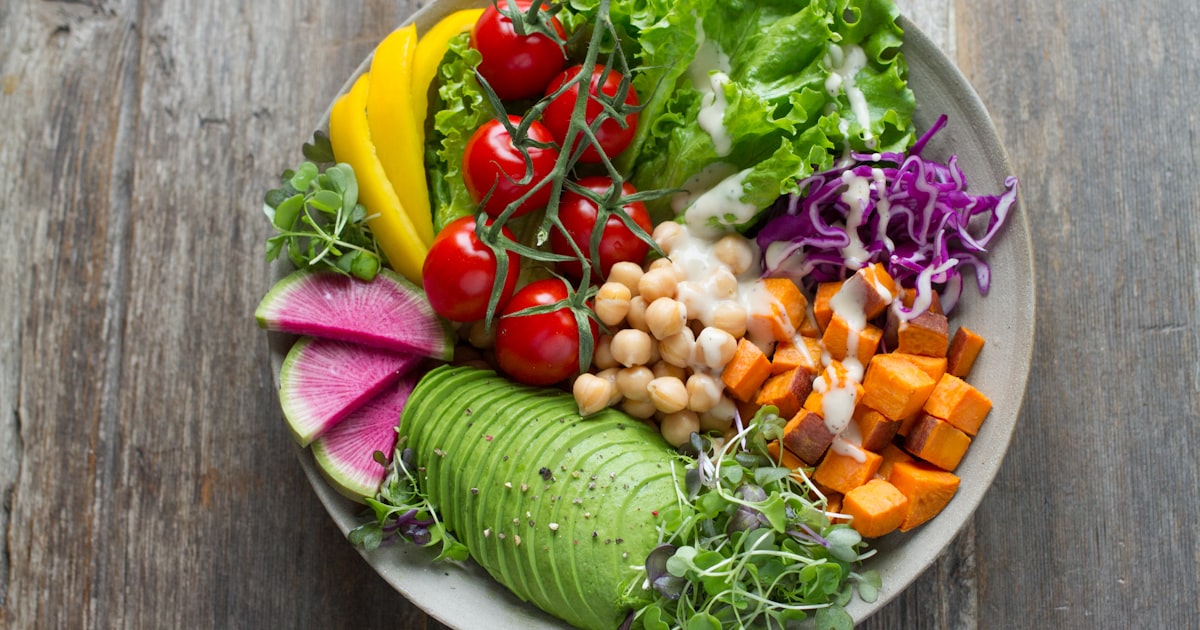
This sounds like a lot, but it's easier than you think when you count everything: fruits, vegetables, nuts, seeds, herbs, spices, whole grains, and legumes all count. A salad with mixed greens, tomatoes, cucumbers, peppers, sunflower seeds, and herbs already covers six different plants in one meal.
Your gut bacteria are like a garden. You need to feed them, add new beneficial species, and create diverse growing conditions. A monotonous diet creates a monotonous microbiome — and that's when problems start.
Step 4: Protect Your Gut Lining
The lining of your intestine is a single-cell-thick barrier that separates your gut contents from your bloodstream. When this lining is compromised — sometimes called "leaky gut" — partially digested food particles and bacterial toxins can enter your bloodstream, triggering inflammation and immune activation that drain your energy.
Foods and habits that support gut lining integrity:
- Bone broth: Rich in collagen and amino acids like glutamine that help repair the intestinal lining
- Omega-3 fatty acids: Found in salmon, sardines, walnuts, and flax — these reduce gut inflammation
- Zinc-rich foods: Pumpkin seeds, beef, chickpeas — zinc is critical for gut lining repair
- Avoiding excess alcohol and NSAIDs: Both are known to compromise gut lining integrity
Step 5: Reduce Gut Stressors
While adding beneficial foods, simultaneously reduce the inputs that harm your microbiome:
- Limit highly processed foods and added sugars
- Reduce artificial sweeteners (research suggests they alter gut bacteria composition)
- Eat slowly and chew thoroughly — digestion begins in the mouth
- Manage stress through daily practices like walking, breathwork, or meditation
- Only use antibiotics when truly necessary, and follow up with probiotics after a course
What to Expect
Gut health doesn't transform overnight. Most people begin noticing improvements in digestion within one to two weeks. Energy changes typically emerge around the three to four week mark. Full microbiome shifts can take two to three months of consistent dietary changes.
Some people experience temporary digestive changes (mild bloating or changes in bowel habits) during the first week of increasing fiber and fermented foods. This is normal — your gut bacteria are adjusting. Start slowly and increase gradually.
The Takeaway
If you've been chasing energy through caffeine, supplements, or training harder, consider looking inward — literally. Your gut is the silent engine behind your energy, your mood, your immune system, and your body composition. Treating it well isn't a supplement trend. It's foundational health science.
Start this week: add one prebiotic food and one probiotic food to your daily routine. That's two small changes. Let your gut adjust, observe how you feel over the next month, and build from there. You might be surprised at how much better you can feel.